
Innovative Jewelry Designs: Impact of 3D Printing on Customization
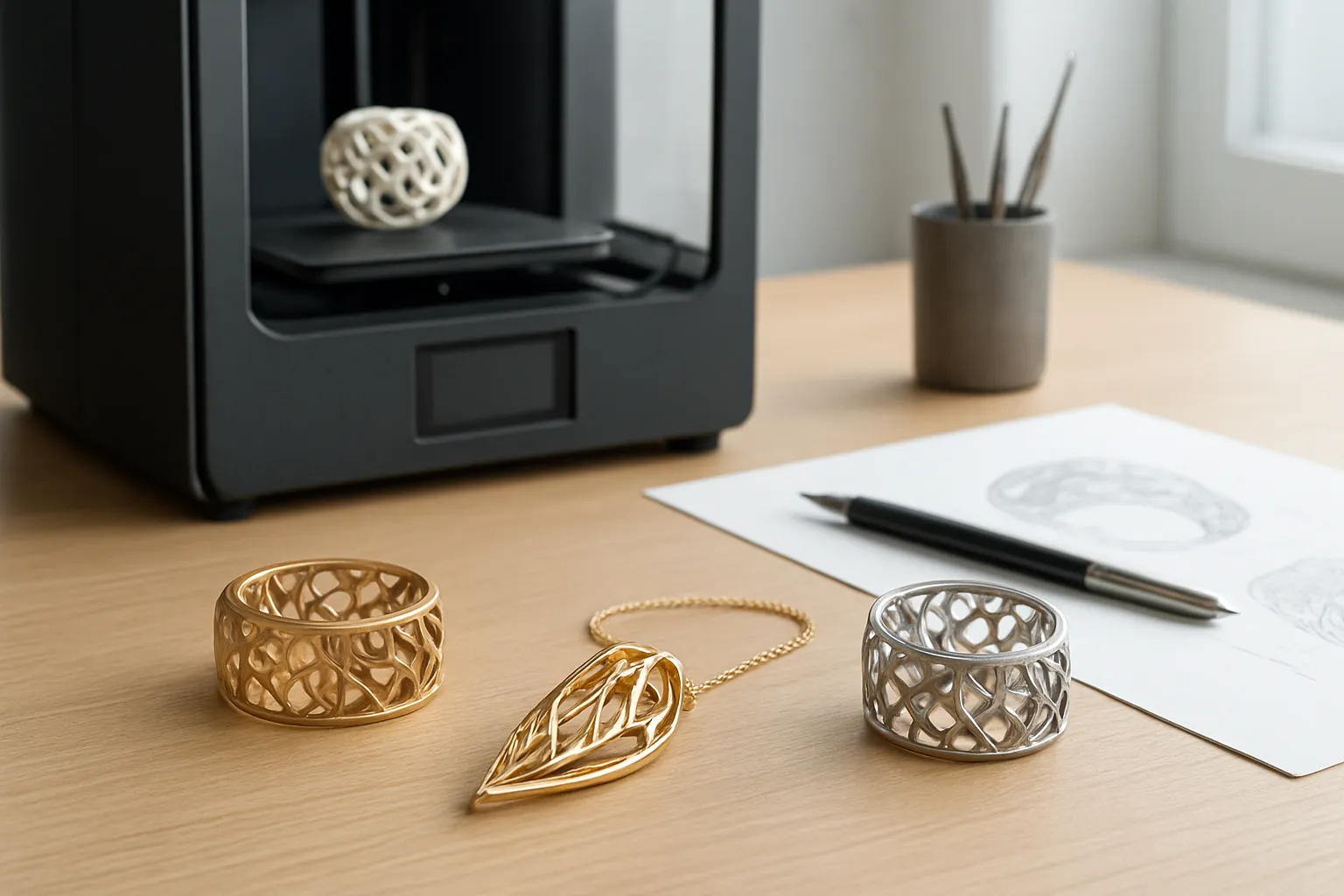
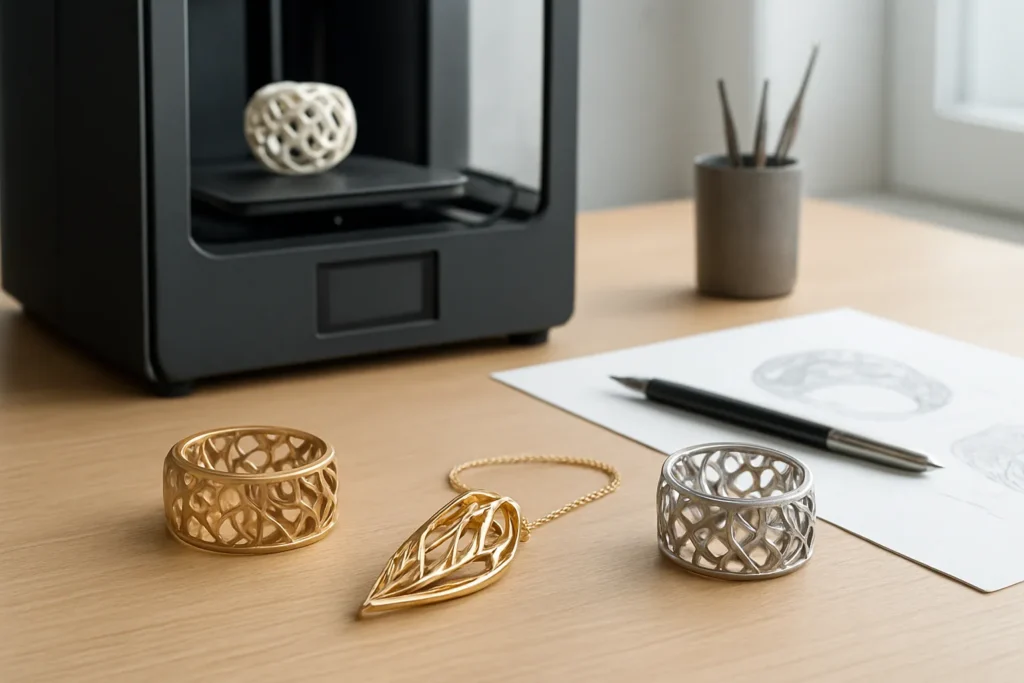
In recent years, the advent of 3D printing technology has dramatically transformed various industries, and the jewelry sector is no exception. This groundbreaking technology empowers designers to create intricate and unique jewelry pieces that were previously deemed impossible to produce through conventional manufacturing methods. By facilitating unmatched customization options, 3D printing jewelry not only caters to the evolving preferences of consumers but also enhances the overall purchasing experience.
Customization has become a pivotal element in the jewelry market. As consumers increasingly seek personalized pieces that reflect their individual styles and narratives, the demand for custom jewelry continues to grow. In my experience, 3D printing jewelry stands at the forefront of this trend. It equips jewelers with the necessary tools to meet these demands efficiently and effectively.
Specifications of 3D Printing Jewelry
The specifications surrounding 3D printing jewelry encompass various elements, including the materials used, as well as the design software and tools required for production.
Materials Used in 3D Printing
A diverse array of materials can be utilized in 3D printing jewelry, including metals like gold, silver, and titanium, alongside non-metal materials such as resin and plastic. Each material offers unique properties, allowing jewelers to select based on the desired aesthetic and functionality of the final product. From what I have seen, the choice of material can significantly affect the piece’s appeal and durability.
Design Software and Tools
To create custom jewelry designs, jewelers rely on advanced design software such as Rhino, Blender, or Tinkercad. These tools enable designers to visualize their concepts in 3D, simplifying the process of modifying and perfecting their creations before printing. This flexibility in design is crucial for developing unique jewelry designs that resonate with customers.
Use Cases of 3D Printed Custom Jewelry
The use cases for 3D printed custom jewelry are vast and varied, showcasing the technology’s versatility.
Personalized Jewelry for Clients
One of the most significant advantages of 3D printing jewelry is its ability to create personalized pieces tailored to individual clients. From custom engagement rings to bespoke necklaces, jewelers can collaborate closely with customers to bring their visions to life. This provides a level of personalization that traditional methods cannot match. I believe this aspect is what truly sets 3D printing apart in the jewelry industry.
Prototyping and Rapid Production
Moreover, 3D printing excels in prototyping and rapid production. Jewelers can swiftly create prototypes of their designs, allowing for immediate feedback and necessary adjustments. This agility not only accelerates the development process but also minimizes waste, as designers can refine their concepts before committing to final production.
Comparison with Traditional Jewelry Manufacturing
When comparing 3D printing jewelry with traditional manufacturing methods, several key differences emerge.
Cost-Effectiveness
Traditional jewelry manufacturing often incurs substantial upfront costs due to the need for molds and extensive labor. In contrast, 3D printing requires lower initial investments, as designs can be crafted digitally without the necessity for physical molds. This cost-effectiveness levels the playing field, enabling smaller businesses and startups to compete effectively in the market.
Time Efficiency
Time is another critical factor where 3D printing excels. Traditional methods can take weeks or even months to produce custom pieces, whereas 3D printing significantly reduces lead times. This efficiency allows jewelers to respond quickly to market trends and customer demands, which is vital in today’s fast-paced environment.
Sourcing 3D Printing Jewelry Services
For businesses looking to leverage 3D printing jewelry, sourcing reliable services is essential.
Finding Reliable Suppliers
When searching for 3D printing jewelry services, it’s crucial to identify suppliers that specialize in the jewelry sector. These suppliers should demonstrate a proven track record of quality and reliability, ensuring that the final products meet industry standards.
Evaluating Quality and Capabilities
Evaluating potential suppliers’ quality and capabilities involves reviewing their portfolio, seeking customer testimonials, and assessing their technological capabilities. This due diligence helps ensure that businesses partner with suppliers who can deliver high-quality, unique jewelry designs.
Implementation of 3D Printing in Jewelry Businesses
Integrating 3D printing into a jewelry business involves several strategic steps.
Steps to Integrate 3D Printing
Businesses should begin by acquiring the necessary equipment and software. Training staff on how to utilize these tools effectively is also crucial. Developing a clear workflow that incorporates 3D printing into the design and production process will help streamline operations.
Training and Skill Development
Investing in training and skill development for staff is vital to maximizing the benefits of 3D printing. Workshops and courses can enhance employees’ design skills and familiarize them with the latest technologies. This ensures that the business remains competitive in the evolving jewelry market.
FAQs about 3D Printing Jewelry
As the industry continues to evolve, several common concerns and misconceptions about 3D printing jewelry arise.
Common Concerns and Misconceptions
Some individuals may worry that 3D printed jewelry lacks the quality and craftsmanship of traditional pieces. However, advancements in 3D printing technology have made it possible to create high-quality, durable jewelry that rivals traditional methods. For more information, you can refer to this technical reference.
Future Trends in 3D Printed Jewelry
Looking ahead, the future of 3D printed jewelry appears bright. As technology continues to advance, we can expect even more intricate designs, sustainable materials, and greater accessibility for consumers seeking unique jewelry options.
In conclusion, 3D printing jewelry is transforming the landscape of custom jewelry design. With its ability to create unique jewelry designs tailored to individual preferences, it offers jewelers a powerful tool for innovation and efficiency. As the market continues to embrace customization, businesses that adopt 3D printing technology will be well-positioned to thrive in the competitive jewelry industry.