
Wholesale Jewelry Trends: Stainless Steel Jewelry Insights for Retailers
Introduction to Wholesale Jewelry Trends
The wholesale jewelry landscape is perpetually changing, and retailers must stay ahead of the curve to make informed inventory decisions. One trend that has captured significant consumer interest is the rise of stainless steel jewelry. With consumers increasingly favoring durable, stylish, and budget-friendly options, it’s imperative for retailers to understand these shifts. In this piece, I’ll delve into the characteristics, benefits, sourcing strategies, and implementation tips related to stainless steel jewelry.
Understanding Stainless Steel Jewelry
Definition and Characteristics
Stainless steel jewelry is made from an alloy primarily consisting of iron, carbon, and chromium. This combination endows stainless steel with remarkable properties, such as resistance to tarnishing, corrosion, and scratching, making it a fantastic choice for everyday wear. Moreover, the versatility of stainless steel allows for both high-polished and matte finishes, catering to diverse design preferences.
Benefits of Stainless Steel
Beyond aesthetics, stainless steel jewelry offers substantial advantages. It is hypoallergenic, making it suitable for customers with sensitive skin. Its durability means that the jewelry can endure daily wear, which can lead to increased customer loyalty and repeat purchases. Additionally, stainless steel is often more affordable than precious metals, enabling retailers to provide trendy jewelry at competitive prices.
Popular Styles in Stainless Steel Jewelry
Trendy Designs for Retailers
Retailers should stay attuned to the current popular designs in stainless steel jewelry. Minimalist styles, such as simple rings, bracelets, and necklaces, are increasingly favored by consumers who appreciate understated elegance. Furthermore, personalized items like engraved pendants and custom name bracelets are rising in popularity, allowing customers to showcase their individuality.
Seasonal Trends to Watch
Fashion accessories, including jewelry, often follow seasonal trends that can influence purchasing behavior. For example, during summer, chunky stainless steel bracelets and anklets tend to trend as customers seek bold statement pieces. In contrast, winter may prompt a shift towards intricate designs incorporating gemstones or mixed materials, balancing luxury with the robust nature of stainless steel.
Sourcing Stainless Steel Jewelry
Finding Reliable Suppliers
To source stainless steel jewelry effectively, retailers must identify reliable suppliers. It’s wise to partner with manufacturers known for producing high-quality stainless steel pieces. Engaging in trade shows, joining industry associations, and leveraging online platforms can help retailers connect with reputable suppliers. I always recommend requesting samples to ensure quality before committing to larger orders.
Evaluating Quality and Pricing
Evaluating both quality and pricing is crucial for maintaining healthy profit margins. Familiarity with different grades of stainless steel can enhance this evaluation; for instance, 316L stainless steel is favored for its corrosion resistance and durability. Retailers should compare prices among various suppliers while factoring in material quality and craftsmanship to make informed purchasing decisions.
Comparing Stainless Steel with Other Materials
Stainless Steel vs. Silver
While silver jewelry has been a market staple, comparing it to stainless steel reveals some key differences. Silver tarnishes and requires regular maintenance, whereas stainless steel maintains its shine without the need for polishing. Moreover, stainless steel is typically more affordable, making it an attractive option for budget-conscious consumers.
Stainless Steel vs. Gold
Gold jewelry is often linked with luxury and status. However, stainless steel provides a similar look at a significantly lower price. For retailers, promoting stainless steel as a versatile alternative that mimics gold’s appearance without the hefty price tag can help attract a broader customer base. Additionally, stainless steel’s durability ensures it can withstand daily wear, making it a practical choice for consumers.
Implementation Strategies for Retailers
Marketing Stainless Steel Jewelry
Effective marketing is essential for promoting stainless steel jewelry. Retailers should emphasize its unique selling points, such as durability, affordability, and hypoallergenic properties. Utilizing social media to showcase trendy designs and customer testimonials can enhance visibility and draw in potential buyers.
Display and Merchandising Tips
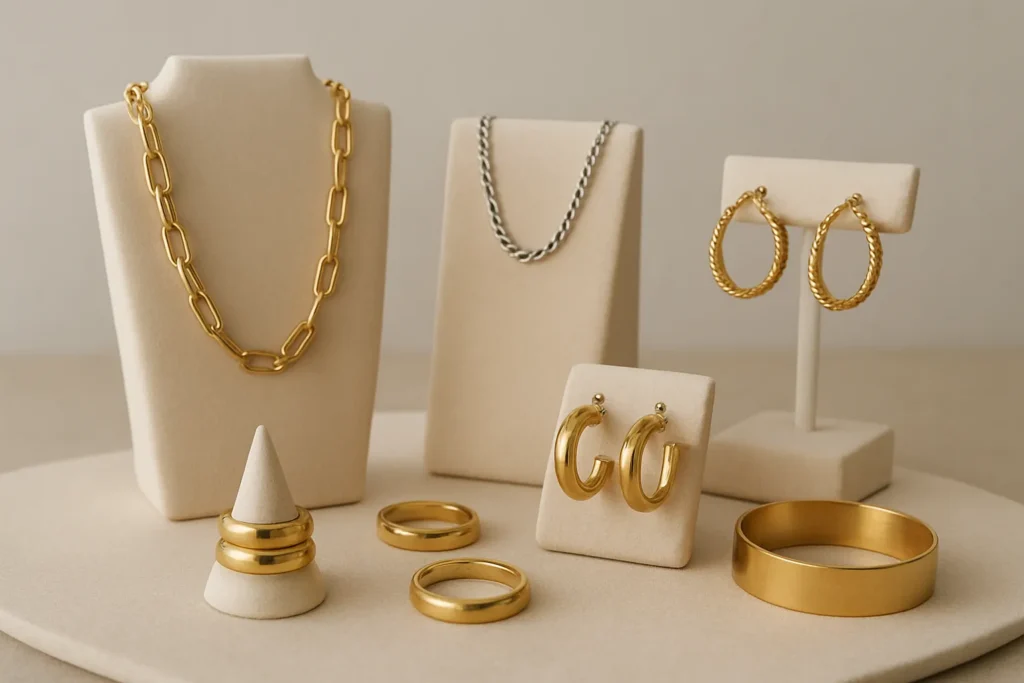
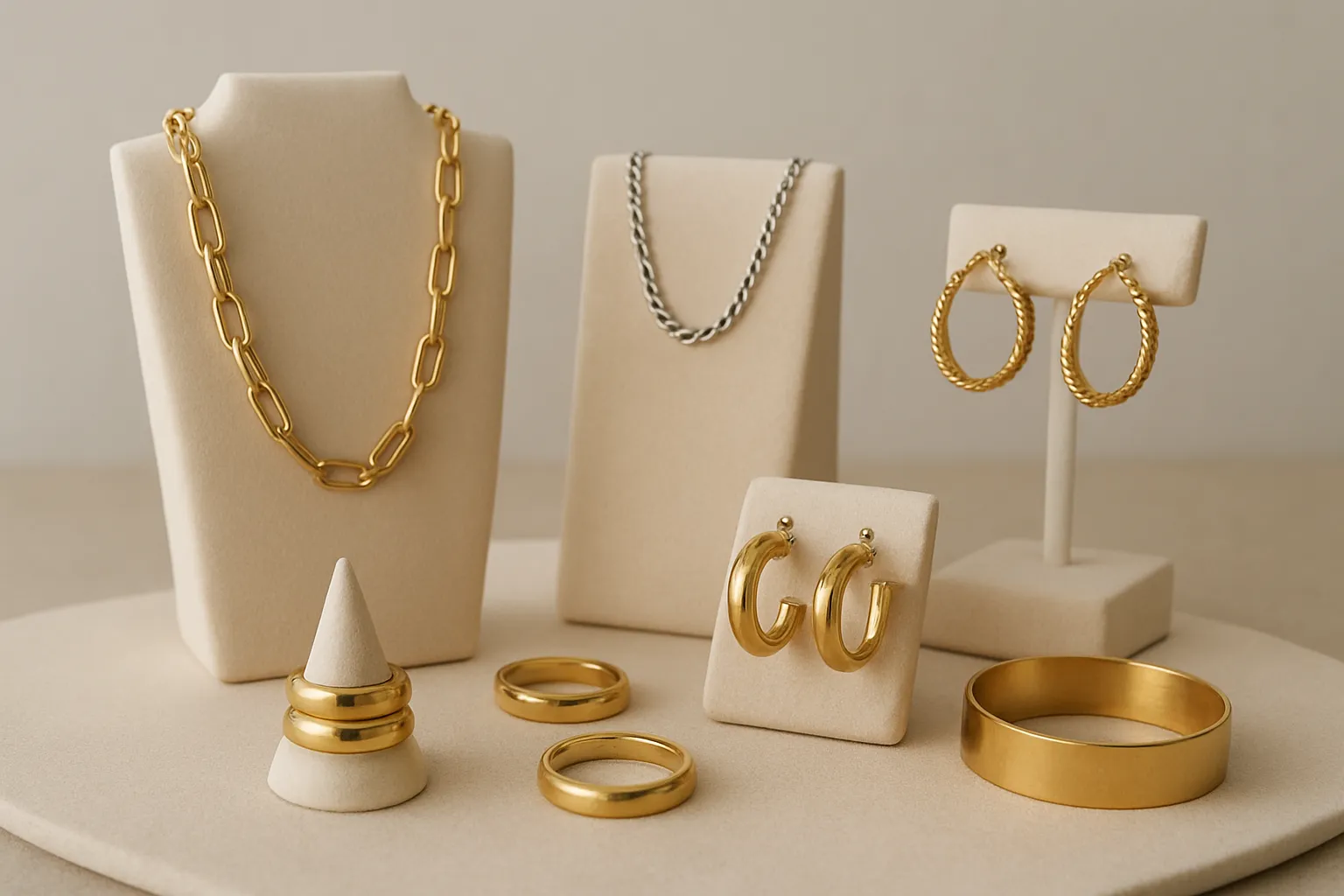
The way retailers display stainless steel jewelry can greatly influence sales. Attractive displays that highlight the jewelry’s shine and craftsmanship can effectively attract customers. Grouping pieces by style or theme, like minimalist or personalized collections, can also streamline the browsing experience and encourage impulse buys.
Frequently Asked Questions
Common Concerns About Stainless Steel
Retailers often face customer concerns regarding stainless steel jewelry. Typical questions revolve around hypoallergenic properties, durability, and maintenance. Being well-prepared with clear, informative responses can help alleviate doubts and reinforce the benefits of choosing stainless steel.
Customer Queries and Responses
Addressing customer inquiries effectively is fundamental for building trust and loyalty. Retailers should consider creating a FAQ section on their websites or in-store materials to address common questions about stainless steel jewelry, including care instructions and comparisons to other materials. This proactive approach can significantly enhance the customer experience and foster repeat business.
Conclusion
In conclusion, stainless steel jewelry represents a burgeoning trend in the wholesale jewelry market that retailers cannot afford to ignore. With its unique characteristics, numerous benefits, and trendy designs, stainless steel presents a lucrative opportunity for retailers. By grasping the sourcing process, comparing it with other materials, and employing effective marketing and display strategies, retailers can successfully leverage this trend to meet the evolving demands of their customers.